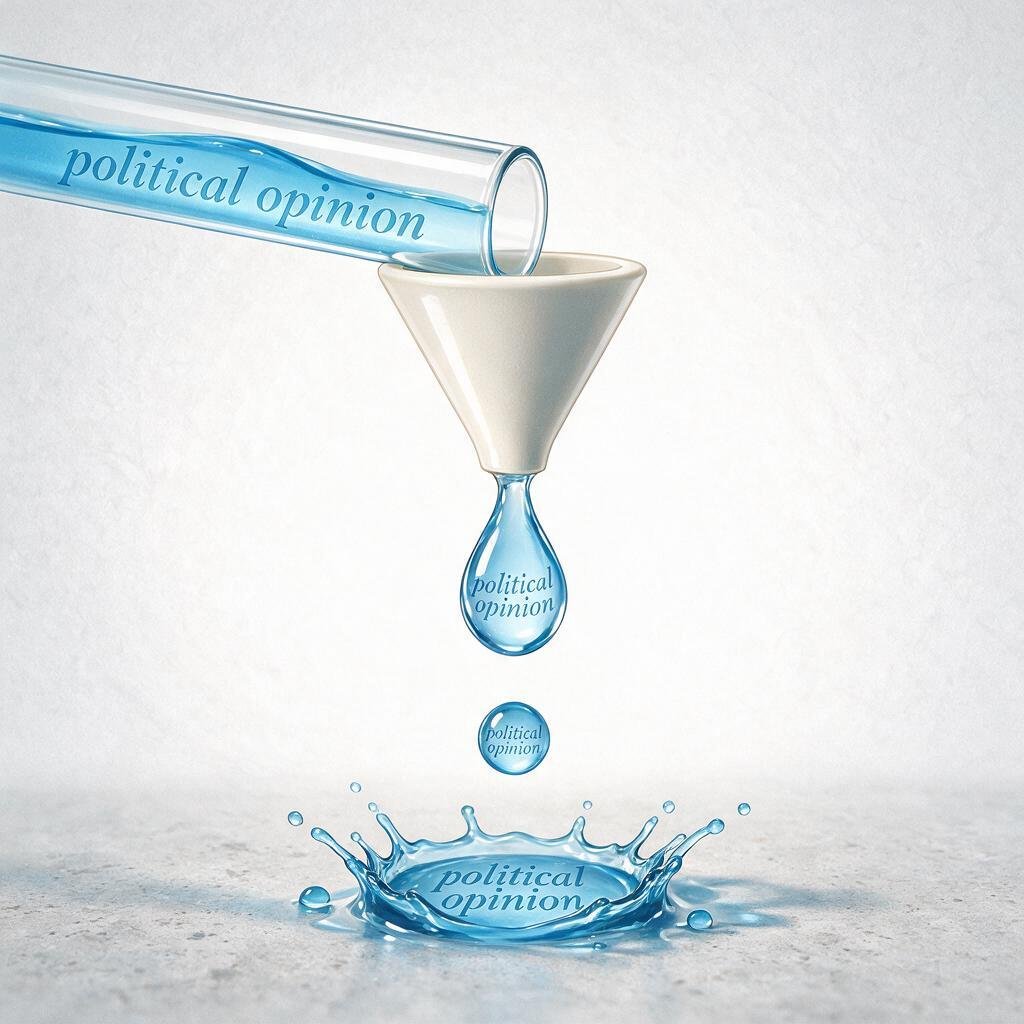


As any election nears, citizens, news stations and political experts consistently check political polling. Many treat these random calculations as sanctimonious signs of voter behavior, but there is little reason to do so. After all, these polls are answered by random citizens and generated constantly, and they consistently miss the mark when it comes to predicting elections.
The general idea is anyone in the United States has an equal chance of being asked to answer a poll. For example, you have a one in 26,000 chance of being asked to answer a poll by the Pew Research Center. In all, many polling firms look at residential data, perform random selections based on a specific geographic area, and make calls accordingly.
We even see major shifts in demographic-based polling, with some polls from the New York Times showing 18 to 29-year-olds are increasingly backing Democratic candidates in this year’s elections compared to the 2024 presidential election, from 55% in 2024 to 70% in 2026. Yet, we have to question the veracity of these statements because we cannot know the actual demographics until election day.
This is where the problem lies. We have polls showing big numbers, not actually guaranteeing big results. In fact, we must remember they rarely guarantee anything.
The 2024 presidential election serves as a great example. The Morning Consult’s final poll before the election had former Vice President Kamala Harris up by two points nationally. However, Harris lost the election by nearly the same amount in the popular vote.
And after the 2020 presidential election, certain polling firms found their results overestimated support for former President Joe Biden and underestimated support for then-President Donald Trump. This is because some Trump voters were less likely to respond to pollsters during the election.
Polls present us with options, marketing themselves as pious predictors of our future when no such thing is guaranteed. The good results a poll predicts for tomorrow are simply educated guesses of an illusion serving to back up what we already think is true.
This plays into our sense of confirmation bias, when a person wants something to be true, and so they believe it to be true. The critical part of this is people stop gathering information proving their ideas to be false or untrue. Polls can lead us to do this.
However, polls are not forces for all the political evil in the world. They help voters, the media and campaign officials make critical decisions. What we have to remember is polls are a guess of what the general public is thinking. As such, our viewing of the polls has to be conducted in a way privileging our curiosity while separating data with real results.
Political polls demand a type of sanctity in our society yet lead us to make conclusions not always true or rooted in reality. If political polling is only sweeping voters who are already engaged, ready to vote and increasingly partisan, this is not representative of all Americans but a mirage quelling our fears and shields us from the real results on election day.
We must remember: A poll is like taking a picture of voting behavior on any given day; it is not the full frame. Instead of upholding such polls as pious pillars of our society, we must learn to question, analyze and interpret our own ideas before we listen to others. We must utilize polls as our guides, not as our opinion leaders.
Aiden is a junior studying journalism at Ohio University. Please note the opinions expressed in this column do not represent those of The Post. Want to talk to Aiden about his column? Email him at ar260223@ohio.edu.