

Five-star DeMarcus Henry commits to UNC men’s basketball
Read The DTH’s special Faith Hedgepeth trial print edition
“Ask not what your country can do for you — ask what you can do for your country.” — John F. Kennedy
On Jan. 20, 1961, John F. Kennedy concluded his inaugural address by urging Americans to consider what they could contribute to their country rather than what they could receive from it. This powerful message not only echoed the massive social movements of the time period, but it reflected the democratic ideal of civic responsibility: that citizens have an active role in supporting their community and upholding democratic values. Throughout the 1960s, Americans took part in marches, advocacy campaigns and community initiatives to help advance civil rights, leading to landmark decisions and demonstrating how collective participation can influence the public sphere.
However, despite the evidential impacts, recent data examining civic participation shows that people are spending less time engaging in their communities. A 2026 report by the Pew-Knight Initiative — a collaboration between the Pew Research Center and the Knight Foundation — studied individuals across the country, tracking their activities, community involvement, religious service attendance and political participation. The report found that 30 percent of adults aged 18-29 years old classify as an “outsider” – those least involved in public life on the engagement spectrum. Additionally, 46 percent of the same age group was determined to be “spectators” — the second lowest level of engagement.
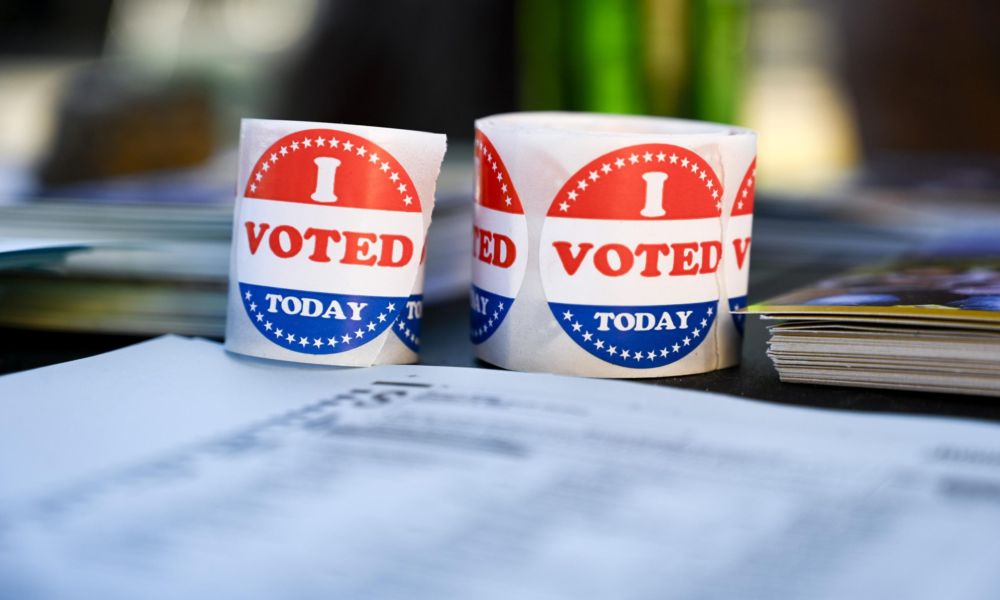
Even as Election Day comes to an end, I encourage you to remember that civic responsibility does not end at the ballot box, as Kennedy’s challenge to consider how we can allocate our resources to help the common good is still relevant today. Democracy is a daily practice that requires individual and collective commitment in addressing public matters through political – and often forgotten – non-political means; it involves upholding democratic principles and supporting local initiatives to make a positive impact in the community.
Your civic responsibility extends beyond voting. It can also look like:
Volunteering: There is arguably no better way to determine the most pressing matters in your community than through volunteering. Volunteers get direct exposure to public issues and the vulnerable individuals most affected by political decisions. While supporting candidates who promise to confront these problems can make a difference, volunteering offers another opportunity to address these issues firsthand while strengthening local connections.
Participating in community projects and organizations: Similar to volunteering, participating in community projects and organizations can help improve public life. Joining neighborhood projects, sustainability nonprofits, parent-teacher associations and other initiatives allows individuals to take operational roles towards a shared goal.
Involvement in local government: While attending local government meetings may sound tedious, actively listening to the discussions can give you a firsthand understanding of your local government’s initiatives and future plans. Whether it is a city council, county commission or school board meeting, these opportunities allow you to gain direct exposure to decisions that could affect your everyday life.
Advocacy: Signing petitions, organizing campaigns and peacefully protesting domestic and global issues is a great way to advocate for change and raise awareness to an important issue. These movements can drive systemic change and are an especially practical method for younger generations to voice their concerns.
Staying well-informed: Whether you are a political science major with a curriculum circulating around current affairs or a STEM student with limited interest in politics, taking a few minutes a day to read the news can help you stay informed on recent events. Reading reputable sources daily, at the local and national level, can help you articulate your understanding of the world and can assist in supporting your political stance when election day arrives.
Go vote, yes, but don’t only vote.
@dailytarheel | [email protected]